
Green Chartreuse: Why This Monastic Liqueur Still Matters
We found Green Chartreuse on a Utah shelf. Here’s why its intense herbal flavor has kept it on bartenders’ shelves for generations.
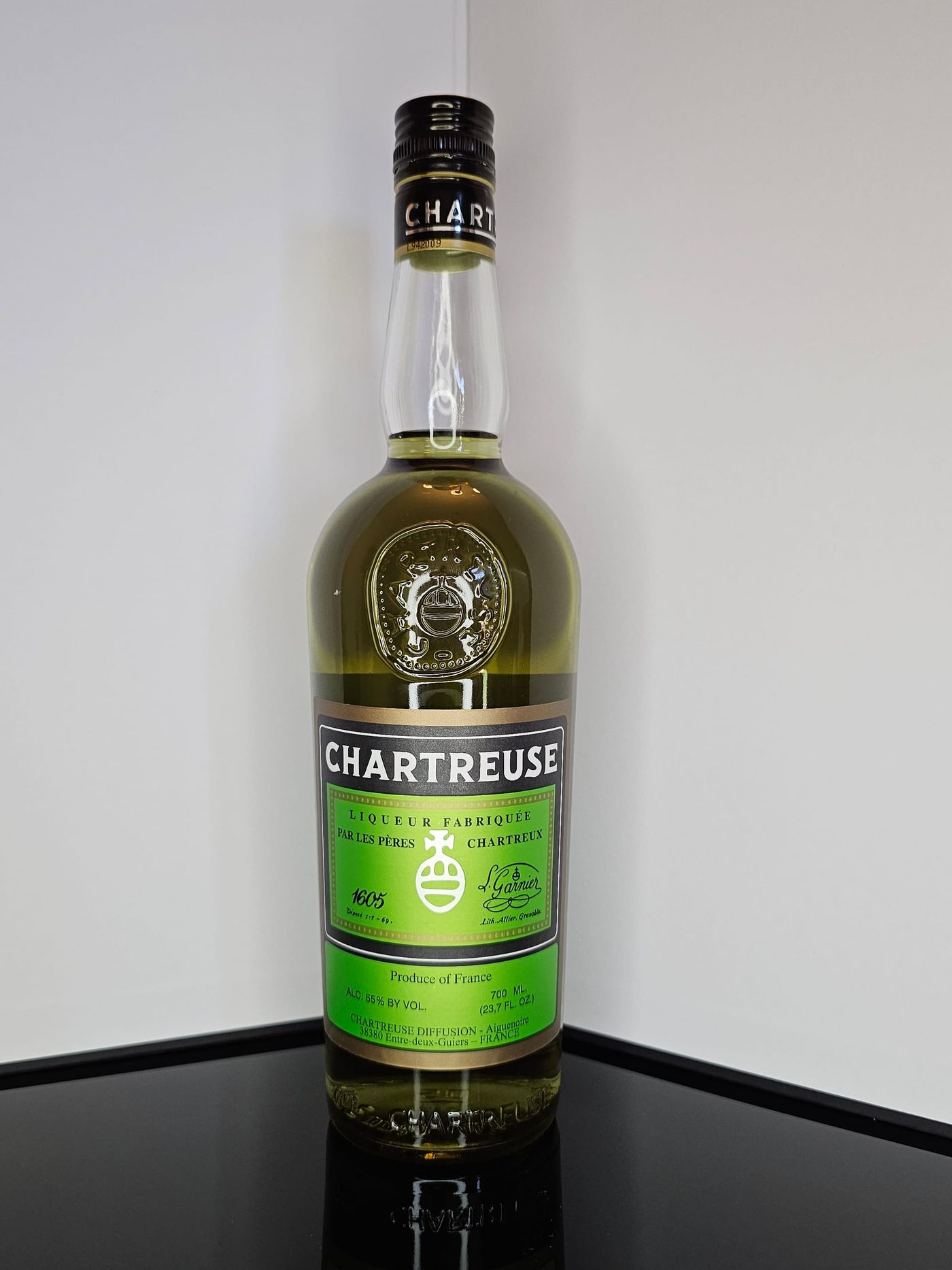
We found this bottle on a Utah shelf and took it home because Green Chartreuse is one of those bottles worth trying when you get the chance. Not because it is a trophy. Because there is really nothing else that tastes quite like it.
If you have never had it, picture a liqueur that is sweet, herbal, bitter, and 110 proof. That sounds like a lot because it is. Green Chartreuse brings mint, pine, spice, citrus, and a long bittersweet finish. It is a bottle that asks you to pay attention.
The photo is a record of one Utah find, not a claim that the bottle is still on that shelf. But when you do see one, it helps to know why people recognize it.
More than a good story on the label
The Carthusian monks received the manuscript behind Chartreuse in 1605. It described a plant-based “Elixir of Long Life.” Their work eventually produced the Vegetable Elixir in 1764, and Green Chartreuse followed in 1840.
Green Chartreuse is still made in France by the Chartreux Fathers at the Aiguenoire distillery. The full recipe remains private. That is why the history is more than decoration on the label: the people and the process are still connected to the bottle.
What makes it different
This is a liqueur, not a whiskey, so there is no grain recipe to memorize. The producer lists alcohol, sugar, water, and 130 plants, bark, roots, spices, and flowers. The plants are distilled and macerated, which gives the liqueur its natural green color and much of its character. After that, it ages in oak vats before bottling.
The regular Green Chartreuse is 55% ABV, or 110 proof. It has enough weight to stand up in a cocktail and enough intensity that a small pour goes a long way.
What it tastes like
First impression: it is greener and sharper than most people expect. You may get mint, pine sap, citrus peel, pepper, and something close to black tea at the finish. The sweetness is real, but it is not dessert-like. It keeps the bitter and herbal parts in balance.
For a first taste, pour a small amount and chill it lightly or serve it over ice. If you like amaro, herbal gin, or drinks that have some bitterness, there is a good chance you will enjoy the way it changes from sip to sip.
Should you try it if you see it?
Probably, if you enjoy bold herbal flavors, gin cocktails, amaro, or bottles that give you something new to talk about after the first pour. Green Chartreuse is not for everyone. If you usually reach for very smooth whiskey, creamy liqueurs, or mild cocktails, it may be a lot at first.
But it is one of the few bottles where a single drink can show you why bartenders keep it around.
Why it shows up in cocktails
Green Chartreuse adds sweetness, bitter herbs, aroma, and proof all at once. Other alpine liqueurs can be good in their own right, but they will not make the same drink.
The Last Word is the best place to start: equal parts gin, Green Chartreuse, maraschino liqueur, and fresh lime juice. It is bright and tart, with enough herbal depth to keep it from tasting like a standard sour. The drink dates to the Detroit Athletic Club in 1925 and returned to favor after its rediscovery in Seattle in 2004.
For something more spirit-forward, try a Bijou: gin, sweet vermouth, and Green Chartreuse. It is richer and slower, and it shows how well the liqueur works with juniper and vermouth.
How to use a bottle at home
- Drink it neat first. Keep the pour small. The producer recommends serving it chilled, around 12–13°C (54–55°F), or over ice.
- Make one Last Word. You will understand the cocktail’s reputation after one good version.
- Use a small amount in a familiar drink. A bar spoon or quarter-ounce can work well with gin, rye, or agave spirits. Taste before adding more.
There is no need to save it forever. It is meant to be opened and used.
Green versus Yellow
Yellow Chartreuse comes from the same 130-botanical family but drinks differently. At 43% ABV, it is softer and more floral, with turmeric, citrus, and light anise notes. Green is higher-proof, more peppery, and more piney.
They are related, but they are not substitutes. If a recipe calls for Green Chartreuse, Yellow will take the drink in a different direction.
For Utah shoppers
This article documents a personal shelf find, not current inventory. DABS availability can change quickly, so check the product locator before making a trip. During research for this story, the live locator did not return an active Green Chartreuse result. We are not making a current-stock or price claim.
For help navigating the system, start with DABS Explained. If a verified listing becomes available, look for it in the Bottle Finder.
Worth knowing when you see it
Green Chartreuse earns its reputation in the glass. It has history, but it also has a flavor that is still unusual and useful. If you see a bottle through a legitimate retailer and the profile sounds like your kind of thing, it is worth taking home and opening—not admiring from a distance.
Advertising can buy attention. It cannot buy our opinion. Samples, sponsorships, affiliate relationships, and hosted experiences never purchase ratings, rankings, or conclusions.